
Hub
Grinders
The grinder is usually the highest-leverage purchase in a home setup.
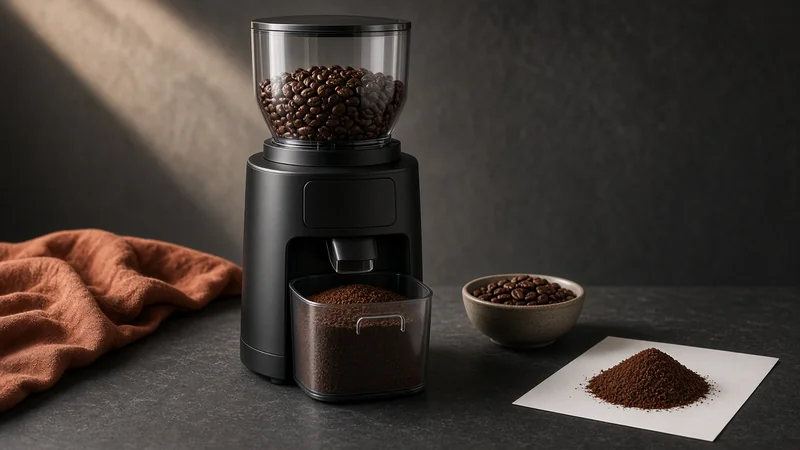
Among coffee references, the grinder is usually the highest-leverage tool in a home setup. Burr grinders crush beans between two surfaces at a set gap; blade grinders chop unevenly. That difference shows up as muddy French press, sour espresso or dull drip long before a fancy kettle can save the cup.
This hub covers burr versus blade specs, conical versus flat burrs, hand versus electric grinders, espresso-capable adjustment, filter-oriented machines and cleaning habits that keep oils from going rancid in hoppers. Entry conical grinders cover drip and pour-over well; espresso needs finer steps or stepless adjustment.
When you read a product card here, look at burr size, setting count, retention style and the maker’s stated use case. “Works for espresso” on marketing copy is not the same as micro-adjustability. Pair the grinder class to your method first, then shop tiers.
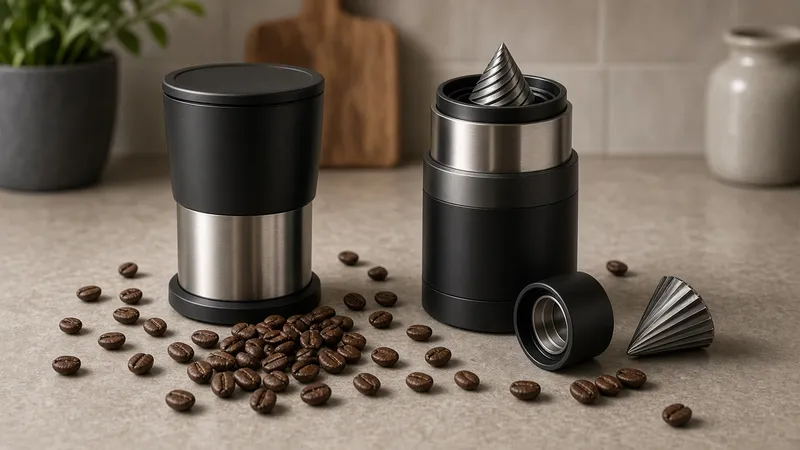
Travel and hand grinders belong here too: they trade motor convenience for silence and packability. If you only brew one mug away from home, a solid manual burr often beats shipping an electric unit.
Open the brew matcher See tiers
Guides in this hub
Hub intros summarize category trade-offs from public references; article pages carry the detailed specs and sources.